
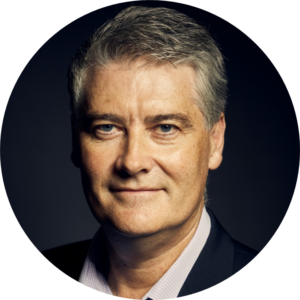
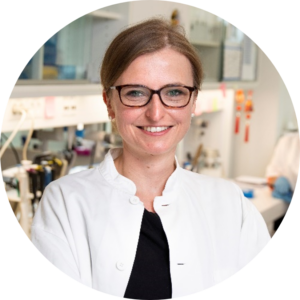
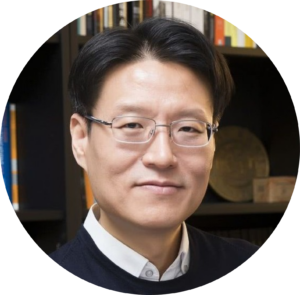
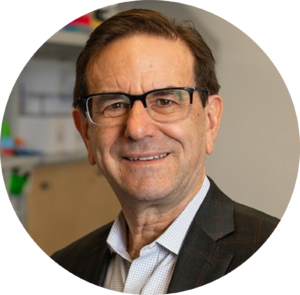
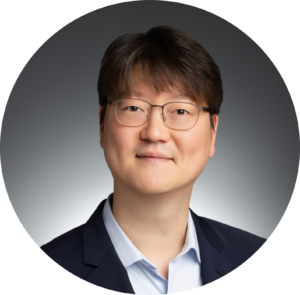
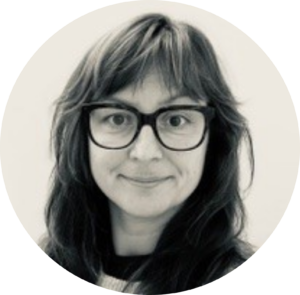
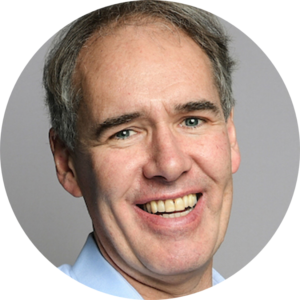

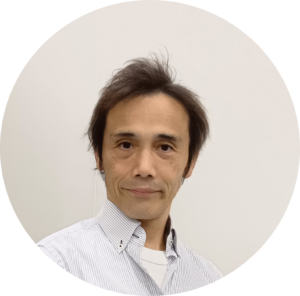


Meet the session speakers who will share their expertise, insights, and unique perspectives at this year’s IVBM.
Cardiovascular Research Center, University of Virginia
UNITED STATES
College of Pharmacy, Chungnam National University
SOUTH KOREA
Vascular Biology and Molecular Biology, Faculty of Dental Medicine, Hokkaido University
JAPAN
Charlie Dunlop School of Biological Sciences, UC Irvine
UNITED STATES
University of Illinois Cancer Center, University of Illinois Chicago
UNITED STATES
Yale Stem Cell Center, Department of Comparative Medicine, Yale School of Medicine
UNITED STATES
Uppsala University, Department of Immunology, Genetics and Pathology
SWEDEN
State Key Laboratory of Ophthalmology
Zhongshan Ophthalmic Center, Sun Yat-sen University
CHINA
Rutgers New Jersey Medical School, Rutgers University
UNITED STATES
Massachusetts General Hospital and Harvard Medical School
UNITED STATES
Department of Cardiometabolic Health, University of Melbourne
AUSTRALIA
Berlin Institute of Health at Charité (BIH) & Max Delbrück Center for Molecular Medicine (MDC)
GERMANY
Eunice Kennedy Shriver National Institute of Child Health and Human Development
UNITED STATES
Department of Physiology, Biomedicine Discovery Institute, Monash University
AUSTRALIA
Department of Neurology, Yale University School of Medicine, Paris Brain Institute, Université Pierre et Marie Curie Paris
UNITED STATES & FRANCE
Centro Nacional de Investigaciones Cardiovasculares, CNIC, Madrid
SPAIN
Eunice Kennedy Shriver National Institute of Child Health and Human Development (NICHD) at the US National Institutes of Health (NIH)
UNITED STATES
Weizmann Institute of Science, Israel and Helmholtz Institute for Translational AngioCardioScience, Germany
ISRAEL
Professor Rui Benedito
Max Planck Institute for Molecular Biomedicine
GERMANY
BIOGRAPHY
Rui Benedito graduated in Microbiology and Genetics in
Lisbon/Portugal, where
he also completed his PhD. He subsequently undertook postdoctoral training with
Dr. Ralf Adams in England and
Germany, focusing on elucidating the roles of distinct Notch and VEGF signaling
components in angiogenesis. Following his postdoctoral work, Rui Benedito
joined the National Center for Cardiovascular Research (CNIC) in Madrid, Spain.
His group has since developed innovative genetic and imaging tools of broad
relevance, which are being applied to investigate vascular biology at high cellular and
molecular resolution across both physiological and pathological contexts. This
work provides fundamental insights that enable the development of improved
strategies to therapeutically target blood vessels in cancer or to promote
vascular development and function in cardiovascular disease. In 2025, he was
appointed Director at the Max Planck Institute for Molecular Biomedicine in
Germany, where he will continue his
research in vascular biology.
Dr Graeme Birdsey
Imperial College London
UNITED KINGDOM
BIOGRAPHY
Dr. Birdsey leads a research program focused on uncovering novel transcriptional pathways that govern endothelial cell gene expression during angiogenesis and lymphangiogenesis. His work integrates cross-disciplinary methodologies, including in vitro molecular and cellular biology techniques, in vivo animal models, in silico modelling, and bioinformatics analysis of next-generation sequencing data. Dr. Birdsey’s research has significantly advanced our understanding of the master transcription factor ERG, elucidating its critical roles in maintaining endothelial lineage identity and homeostasis, as well as regulating angiogenesis and lymphangiogenesis in both health and disease.
Dr Joyce Bischoff
Boston Children’s Hospital,
Harvard Medical School
UNITED STATES OF AMERICA
BIOGRAPHY
Dr. Bischoff is Professor of Surgery at Harvard Medical School with a primary appointment in the Vascular Biology Program at Boston Children’s Hospital. She received an A.B. in Chemistry from Duke University, a Ph.D. in Biochemistry and Molecular Biology from Washington University School of Medicine in St. Louis and post-doctoral training at the Whitehead Institute in Cambridge, MA. Her current research focuses on endothelial plasticity and altered molecular mechanisms that cause vascular tumors and vascular malformations. Dr. Bischoff was co-Editor-in-Chief of Angiogenesis from 2005-2020 and currently serves on the editorial boards of Journal of Clinical Investigation, ATVB, and the Journal of Vascular Anomalies. She has served on numerous NIH study sections including as a member of the Cardiovascular Differentiation and Development Study Section from 2004-2008. She is the 2022 recipient of the Earl P. Benditt Award from the North American Vascular Biology Organization.
Dr Kathleen Caron
University of Illinois Cancer Center, University of Illinois Chicago
UNITED STATES
BIOGRAPHY
Kathleen M. Caron, Ph.D. is the Frederick L. Eldridge Distinguished Professor and Chair of the Department of Cell Biology & Physiology at The University of North Carolina at Chapel Hill. With a special emphasis on G protein-coupled receptors in vascular biology, the Caron laboratory has illuminated the genetic basis and pathophysiology of lymphatic diseases, preeclampsia and sex-dependent cardiovascular disease. The laboratory uses genetic tools, coupled to biochemistry and pharmacology approaches, to expand the current repertoire of vascular GPCRs, thereby illuminating novel pharmacological targets for the modulation of a wide variety of pathophysiological conditions, including lymphatic insufficiency and migraine.
Dr Kristen Bubb
Monash University
AUSTRALIA
BIOGRAPHY
Dr Kristen Bubb is Lead of the Translational Vascular Therapeutics Group in the Biomedicine Discovery Institute at Monash University. Kristen obtained her PhD at Monash University, before completing a post-doctoral fellowship at the William Harvey Research Institute in London, supported by the British Pharmacological Society. She then co-led a research program to investigate novel therapeutics and signalling pathways applicable to vascular diseases at the University of Sydney, before being recruited to Monash University in 2019 to establish the founding laboratory in the Victorian Heart Institute. Her main research interests are to investigate inflammatory and redox signalling in vascular diseases, with the aim of developing novel therapeutics for atherosclerosis, pulmonary hypertension and pre-eclampsia.
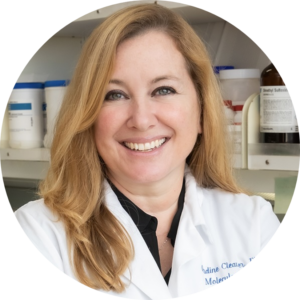
Professor Ondine Cleaver
BIOGRAPHY
Prof. Cleaver carried out her PhD studies at the University of Texas at Austin under the guidance of Dr. Paul A. Krieg, investigating formation of the cardiovascular system in Xenopus laevis. She then did her postdoctoral work at Harvard University in the laboratory of Dr. Douglas A. Melton, elucidating vascular signals during pancreas development and islet formation. Since 2005, Dr. Cleaver has focused on understanding how organs and their blood vessels grow coordinately with each other. Her lab has uncovered the role of both GTPase regulation during de novo lumen formation in the forming dorsal aortae in mouse embryos. More recently, she and her lab has uncovered the requirement for the Hippo pathway in sensing biomechanical signals, such as that exerted by hemodynamic flow. Dr. Cleaver’s contributions include publications in Science, Developmental Cell, Disease Models and Mechanisms, Genes and Development, Angiogenesis, and Development. She currently serves at Editor in Chief for Developmental Biology and serves in a number of capacities in the Society for Developmental Biology (SDB). She serves as Co-Chair of the Women in Science and Medicine Advisory Committee (WISMAC) at UT Southwestern Medical Center.
Dr Hong Chen
Harvard Medical School and Boston Children’s Hospital
UNITED STATES
BIOGRAPHY
Dr. Hong Chen is a Professor at Harvard Medical School and a vascular biologist at Boston Children’s Hospital. Her research focuses on the molecular mechanisms that regulate blood and lymphatic vessel development, remodeling, and disease. Recent work from her group has investigated lymphatic vascular biology, including mechanisms that regulate lymphatic vessel growth, lymphatic endothelial cell function, and lymphatic defects associated with disease. Using genetic mouse models, cell-based approaches, imaging, and disease-relevant experimental systems, Dr. Chen’s research aims to define fundamental pathways in vascular and lymphatic biology and to identify mechanisms that may inform future therapeutic strategies.
Professor Yabing Chen
Oregon Health and Science University
UNITED STATES
BIOGRAPHY
Dr. Yabing Chen, is Professor and Vice Chair for Research in the Department of Pathology and Laboratory Medicine at the Oregon Health and Science University (OHSU) and directs the OHSU MD/PhD training Program. Before her recent relocation to Portland recently, Dr. Chen held the position of Professor and Vice Chair for Faculty Development and Education in the Department of Pathology at the University of Alabama at Birmingham, where she was also the Jay M. McDonald Endowed Chair in Laboratory Medicine. Her research focuses on understanding the molecular mechanisms underlying the regulation of vascular smooth muscle cell phenotype in vascular calcification, aging, and vascular dementia, which has been supported by the National Institutes of Health, VA, the American Heart Association, and the Leducq Foundation. Dr. Chen has served on several NIH, VA and AHA grant and award review panels, and the editorial board for Circulation Research, ATVB and the Journal of Biological Chemistry, currently is the ATVB review editor. She is a recipient of the “Vascular Biology Special Recognition Award” from the AHA/ATVB Council and “Senior Research Career Scientist Award” from the VA; and received the ATVB Woman’s Leadership Committee Award for Outstanding Mentorship of Woman.
Dr Charles Cox
Victor Chang Cardiac Research Institute, Sydney
AUSTRALIA
BIOGRAPHY
Dr Cox is an Australian Research Council Future Fellow and Laboratory Head of the Cardiac Mechanobiology Lab at the Victor Chang Cardiac Research Institute. Dr Cox’s over-arching research interest is in understanding the molecular mechanisms and pathways by which physical forces are sensed by cells. In particular, how ion channels decode these signals within the cardiovascular system and contribute to cardiovascular health and disease. Recent work from his lab has shed light on the molecular mechanisms of mechanosensing in both PIEZO (Science, 2023) and OSCA/TMEM63 channel families (Nature, 2024).
Dr Justin Rustenhoven
Centre for Brain Research, University of Auckland
NEW ZEALAND
BIOGRAPHY
Dr. Justin Rustenhoven is a Senior Research Fellow and Rutherford Discovery Fellow at the Centre for Brain Research, University of Auckland. His research investigates how vascular–immune interfaces at the brain’s borders regulate central nervous system (CNS) homeostasis. During his postdoctoral training in the laboratory of Prof. Jonathan Kipnis at the University of Virginia and Washington University in St. Louis, he characterized the meningeal immune system as a key site of CNS surveillance, and revealed how specialized skull bone marrow pathways contribute immune cells that shape brain physiology and inflammation. Establishing his own laboratory at the University of Auckland, Dr. Rustenhoven uses complementary mouse models and human cell-based approaches to study how immune, vascular, and lymphatic sites at the brain’s borders influence CNS function in health, injury, and neurodegeneration. His work seeks to determine how peripheral immune compartments communicate with the brain and how these pathways might be harnessed therapeutically.
Professor Katrien De Bock
ETH Zurich
SWITZERLAND
BIOGRAPHY
Katrien De Bock was born in Belgium in 1980 and is a Belgian citizen. She received her Master in Rehabilitation sciences in 2002. During her PhD-period at the Research Center for Exercise and Health (University of Leuven – Belgium – Oct 2002 to Sept 2007), she focused her research on exercise physiology and studied metabolic plasticity in muscle during exercise in the fasted state. From Oct 2007 to June 2013, she conducted a postdoctoral training at the Vesalius Research Center, Flemish Interuniversity Institute of Biotechnology (VIB – University of Leuven) under the mentorship of Prof. Peter Carmeliet. Here, she studied the link between angiogenesis and metabolism during development and disease. In Sept 2014, Katrien De Bock received an assistant professorship position at University of Leuven (Belgium), but almost immediately moved to Madrid (Spain) for an intensive research stay in the laboratory of Prof. Julian Aragonés where she studied the link between hypoxia and metabolism (02-08/ 2014). Soon thereafter, she decided to take up a professorship at ETH in Zürich (Oct 2015) where she currently holds a chair in Exercise and Health.
Dr Rebecca Deaton
Cardiovascular Research Center, University of Virginia
UNITED STATES
BIOGRAPHY
Dr. Rebecca A. Deaton is a Research Assistant Professor in the Department of Molecular Physiology and Biological Physics at the University of Virginia. She earned her BS in Biology from Indiana University and her PhD in Biomedical Science from University of North Texas Health Science Center before completing postdoctoral training in the lab of Dr. Gary K. Owens at the University of Virginia. Her research focuses on uncovering the molecular mechanisms that drive atherosclerosis and destabilize advanced plaques, ultimately leading to myocardial infarction and stroke. Using advanced preclinical mouse models that combine lineage tracing and cell-specific gene targeting, her work aims to identify novel therapeutic strategies that improve plaque stability and reduce cardiovascular events. Her current research projects investigate the therapeutic potential of selective myeloperoxidase inhibition in preventing plaque rupture, myocardial infarction, and stroke, as well as the mechanisms by which radiation therapy impairs atherosclerotic plaque stability and increases cardiovascular risk in cancer survivors.
Professor Gemma Figtree
AUSTRALIA
BIOGRAPHY
Gemma is a Professor in Medicine at the University of Sydney and an Interventional and Imaging Cardiologist
at Royal North Shore Hospital in Sydney. She is the Chair of the University of Sydney’s multi-disciplinary
Cardiovascular Initiative. Gemma is committed to improving the care for heart attack patients, unravelling key
mechanisms underlying susceptibility and response to heart attack, with studies extending from the bench to
large cohort studies and clinical trials. Discoveries in her Laboratory have been published in leading journals
including the Lancet, Circulation, JACC and European Heart Journal, with > 350 publications. Gemma is a
principal investigator on grants >$32 Mill. Her discoveries and innovative strategies have resulted in a US patent, and 5 provisional patents spanning diagnostic and therapeutic fields. Gemma is founder and CSO for Australian start-ups Prokardia and Kardiomics, and the not-for-profit CAD Frontiers Pty Ltd. She was awarded a National Health and Medical Research Council (NHMRC) Excellence Award for Top Ranked Practitioner Fellow (Australia2018), NSW Ministerial Award for Cardiovascular Research Excellence (2019) and was the second female to be awarded the prestigious Cardiac Society of Australia and New Zealand RT Hall Prize for outstanding and sustained research achievement (2023). Gemma serves as a member of the Editorial Board of leading international journals including Circulation and Cardiovascular Research and an Associate Editor for Heart and European Journal of Preventative MEdicine. She is a passionate advocate for cardiovascular research, working as President of the Australian Cardiovascular Alliance with a national team to secure $220 Million Federal funding for the Mission for Cardiovascular Health, and to build new pathways for research to best serve the unmet health needs of Australians. She chaired the MRFF Mission (CV) Expert Advisory Panel (2017-22). She is a graduate of the Australian Institute of Company Directors and serves/has served as a non-executive Director on multiple community Boards, including the Heart Foundation. In 2023, Gemma was appointed a Member of the Order of Australia (AM), in the Australia Day Honours.
Professor Erica Fletcher
University of Melbourne
AUSTRALIA
BIOGRAPHY
Prof Erica Fletcher is a Professor of the Department of Anatomy and Physiology. She has over 25 years experience evaluating the mechanisms of retinal diseases, especially age related macular degeneration, for which she has published widely. The quality and impact of Prof Fletcher’s research has been recognized by the awarding of 4 national and international prizes including the 2020 Nina Kondelos Prize from the Australian Neuroscience Society, the 2019 H Barry Collin Research Medal, the 2016 Glenn Fry Award and the 2006 Irvin M and Beatrice Borish Award from the American Academy of Optometry. She has also received a Dean’s award for teaching. Prof Fletcher remains committed to advocating for the benefits of fundamental research and its importance in understanding the mechanisms of eye disease and developing novel therapies.
Professor Claudio Franco
Catolica Biomedical Research Centre
PORTUGAL
BIOGRAPHY
Cláudio A. Franco graduated in Biochemistry from the University of Porto and completed his PhD in Protein Structure and Function at Paris VI University, followed by postdoctoral training in vascular biology in the laboratory of Holger Gerhardt in London. He is currently Group Leader and Vice-Director at the Católica Biomedical Research Centre and Associate Professor at Católica Medical School in Lisbon. His laboratory investigates the fundamental mechanisms governing blood vessel formation and function, combining genetics, advanced imaging, bioengineering, computational modelling and AI-based image analysis to understand vascular disease. His work has contributed to the discovery of flow-migration coupling, the identification of dactylopodia, and the demonstration that physical and chemical cues compete to shape endothelial behaviour and vascular morphogenesis.
Professor Mat Francois
Centenary Institute
AUSTRALIA
BIOGRAPHY
Mat Francois is leading a lab that studies the control of gene regulation during vessel development and vascular neoplams.
The group research activity relies on a multi-disciplinary approach that combines developmental biology, molecular imaging complemented by biophysics and genomics methods to investigate the control of gene transcription in the endothelium. The aim of our research is to take advantage of a deep understanding of transcription factor mode of action during embryogenesis to unlock new therapeutic avenues in vascular-related pathologies. Findings from the lab have repositioned the clinical management of a two rare orphan diseases and opened up therapeutic avenue for infantile hemangioma. A spin off company from the lab (Gertrude Biomedical Pty Ltd, Bio21 Melbourne) was founded in 2019 is currently developing the next generation of inhibitors that target an endothelial specific transcription factor.
Professor Maike Frye
University Medical Center Hamburg-Eppendorf
GERMANY
BIOGRAPHY
Maike Frye is Professor for 3R Models and Vascular Biomedicine and Head of the Section for Vascular Biomedicine and the Hamburg Center for 3R Research (HC3R) at the University Medical Center Hamburg-Eppendorf (UKE), Germany. Her research focuses on how endothelial signaling and mechanical cues regulate cardiovascular and lymphatic vessel development, remodeling, and function in health and disease. The Frye Lab combines advanced imaging, tissue mechanics measurements, single-cell and spatial omics technologies, and innovative in vitro models to uncover fundamental mechanisms of vascular and cardiac biology.
Dr David Gau
University of Texas at Dallas
UNITED STATES
BIOGRAPHY
Dr. David Gau is an Assistant Professor in the Department of Bioengineering at the University of Texas at Dallas. He obtained his Ph.D. in Bioengineering from the University of Pittsburgh in 2018, with doctoral research focused on the role of Profilin-1 in neovascularization. Dr. Gau’s research program centers on cytoskeletal regulation as a therapeutic target in renal cell carcinoma (RCC), with a particular focus on Pfn1 across clear cell (a highly vascularized disease) and chromophobe RCC subtypes. His translational work connects cytoskeletal biology with therapeutic development, including small-molecule protein-protein interaction inhibitors and lipid microbubble drug delivery platforms. He is the recipient of an NIH K99/R00 Pathway to Independence Award and a Department of Defense Academy of Kidney Cancer Investigators (AKCI) Early Career Scholar Award.
Professor Mariona Graupera
Josep Carreras Leukaemia Research Institute
BARCELONA
BIOGRAPHY
Dr. Mariona Graupera is a vascular biologist, dedicated to study the signaling, molecular and cellular mechanisms governing vascular growth in physiological and pathological contexts. Dr. Mariona Graupera received her PhD in Biochemistry from the University of Barcelona in 2003 in vascular physiology. She completed 6 years of postdoctoral work at Ludwig Institute for Cancer Research, and the Bart’s Cancer Institute in London in the field of cell signalling and angiogenesis. In 2009 she established her laboratory as an independent investigator at IDIBELL funded by the Ramon y Cajal program. In February 2021, she joined the Josep Carreras Leukaemia Research Institute as Group leader, and in 2023 she became an ICREA professor. She has authored more than 80 manuscripts, along with the organization of internationally recognised congresses. Her research is supported by key national and international funding bodies, ranging from leading national foundations to the European Research Council.
Professor Cornelia Halin
ETH Zurich
SWITZERLAND
BIOGRAPHY
Cornelia Halin is a Professor of Pharmaceutical Immunology at ETH Zurich, Switzerland. She studied biochemistry and completed a PhD in antibody engineering at ETH Zurich. She subsequently pursued postdoctoral training at Harvard Medical School with Ulrich von Andrian, where she investigated leukocyte trafficking, followed by further postdoctoral training at ETH Zurich with Michael Detmar, where she began studying the lymphatic vasculature. She established her own lab at ETH Zurich in 2008. Her research focuses on fundamental aspects of lymphatic vessel biology, leukocyte migration, and the modulation of leukocyte function by lymphatic endothelium, aiming to identify new therapeutic targets in cancer and inflammatory disorders.
Professor Kyung Sun Heo
College of Pharmacy, Chungnam National University
SOUTH KOREA
BIOGRAPHY
Kyung-Sun Heo, Ph.D., is a Professor in the College of Pharmacy at Chungnam National University, Republic of Korea. She received his Ph.D. from Chungnam National University and completed postdoctoral training at the Cardiovascular Research Institute, University of Rochester Medical Center, USA. She subsequently served as an Assistant Professor at UT MD Anderson Cancer Center. Her research focuses on cardiovascular pharmacology, vascular smooth muscle cell plasticity, endothelial dysfunction, and mitochondrial signaling in cardiovascular diseases. She currently serves as Associate Editor for Archives of Pharmacal Research and Korean Journal of Physiology and Pharmacology and actively contributes to international vascular biology research communities.
Professor Michael Hickey
Monash University
AUSTRALIA
BIOGRAPHY
Professor Michael Hickey (B.Sc. Hons, PhD UniMelb) is Director of the Centre for Inflammatory Diseases at Monash University, a position he has held since 2019.
Prof. Hickey’s expertise centres on the analysis of leukocyte function in inflammatory responses. Michael’s laboratory uses various forms of advanced in vivo imaging, including multiphoton microscopy, to image organs during the inflammatory response. He is internationally recognised for his contributions to the understanding of leukocyte recruitment and behaviour in the inflamed kidney in conditions such as glomerulonephritis, and the actions of regulatory T cells in inflamed skin.
Dr Kyoko Hida
Vascular Biology and Molecular Biology, Faculty of Dental Medicine, Hokkaido University
JAPAN
BIOGRAPHY
EDUCATION/TRAINING
1986-1992 Hokkaido University School of Dental Medicine
1995-1998 Hokkaido University Graduate School of Dental Medicine (DDSc, PhD.)
POSITOINS AND HONORS
1992-1995 Doctor, Oral surgery, Hokkaido University School of Dental Medicine
1998-2000 Research Fellow, Japan Society for the Promotion of Science (JSPS)
2001-2005 Postdoctoral Research fellow, Vascular Biology Program, Children’s Hospital, Harvard Medical School, USA
2002-2004 Postdoctoral Fellow for Research Abroad , Japan Society for the Promotion of Science (JSPS)
2004-2005 Assistant professor, Vascular Biology Program, Children’s Hospital, Harvard Medical School, USA
2005-2009 Assistant Professor, Oral Pathology and Biology, Hokkaido University Graduate School of Dental Medicine, Japan
2009-2014 Associate Professor (Independent), Vascular Biology, Hokkaido University,
Graduate School of Dental Medicine
2014-2018 Associate Professor (Independent), Vascular Biology, Frontier Research Unit,
Institute for Genetic Medicine, Hokkaido University
2018- Professor, Vascular Biology and Molecular Pathology, Graduate School of Dental Medicine, Hokkaido University
HONORS
2010 The Japanese Society of Pathology Research Award
2017 The Society of Japanese Women Scientists Award
2018 The award in 11th Shiseido Female Researcher Science Grant
2023 Yoshie Katsurada Award, Hokkaido University
2024 Lion Award, Japanese Association for Oral Biology
2024 The President’s Award for Excellence in Education and Research, Hokkaido University
Professor Karen Hirschi
University of Virginia School of Medicine
UNITED STATES
BIOGRAPHY
Karen K. Hirschi is the Alumni Professor of Cell Biology at the University of Virginia School of Medicine, where she also serves as the Director of the Developmental Genomics Center that focuses on identifying genetic mutations that cause developmental disorders. The Hirschi lab is primarily interested in vascular development and focuses on elucidating regulators of endothelial cell differentiation and specialization, as well as modulators of endothelial cell proliferation during vessel formation. They use the mouse model system to study the regulation of these processes in vivo. Insights gained are applied to the modulation of the commitment of pluripotent human stem cells toward vascular cell fates, and to the genesis and optimization of clinically relevant strategies to promote endogenous vascular regeneration and repair in disease conditions.
Professor Chris Hughes
Charlie Dunlop School of Biological Sciences, UC Irvine
UNITED STATES
BIOGRAPHY
Professor Hughes is a Chancellor’s Professor and Associate Dean of Research and Innovation at UC Irvine. His research focuses on the development and growth of blood vessels, and he is a pioneer in the field of microphysiological systems (organ-on-chip), specializing in the creation of vascularized and perfused tissue-on-chip models. The technology is now licensed to Aracari Biosciences, for which Dr. Hughes is a founder and CSO. Professor Hughes served as NAVBO President in 2022 and previously served as Director of UCI’s Advanced Cardiovascular Technology Center, and as a Program Leader in the UCI Cancer Center. He is an elected Fellow of the American Association for the Advancement of Science (AAAS), and works extensively with the non-profit organization, cureHHT, where he chairs their Scientific and Medical Advisory Council. In 2022 he received their Lifetime Achievement Award.
Professor Shaun Jackson
Florey Institute of Neuroscience and Mental Health
AUSTRALIA
BIOGRAPHY
Professor Shaun Jackson holds an NHMRC Investigator Grant (Level 3) and is currently Honorary Professor with the Florey Institute of Neuroscience and Mental Health, as well as a longstanding faculty member at the Scripps Research Institute, San Diego (USA), and Honorary Visiting fellow at the University of Cambridge, UK. He was the co-founder and Research Director of the Australian Centre for Blood Diseases, Monash University (2004-2013). In 2013, he was appointed the inaugural Director of Cardiovascular Research, at the Heart Research Institute & Charles Perkins Centre, University of Sydney. He is the founder of Cruentus Pty. Ltd. and ThromBio Holdings Pty, Ltd., Australian biotechnology companies developing novel antithrombotic therapeutics for the treatment of stroke. Shaun has received numerous international awards including the Marion Barnhart Prize (2009) and Career Investigator Award and Medal (2011) from the International Society of Thrombosis and Haemostasis. In 2010, Shaun was awarded an Australia Fellowship from the NHMRC.
Dr Joanna Kalucka
Aarhus University
DENMARK
BIOGRAPHY
Associate Professor Joanna Maria Kalucka holds dual appointments at the Department of Biomedicine at Aarhus University and Steno Diabetes Center Aarhus, where she leads an independent research group. Her work focuses on defining how endothelial cell states are reshaped by metabolic and inflammatory cues in disease, including cancer, obesity, and viral infections.
Prior to establishing her group in Aarhus, Dr. Kalucka investigated endothelial metabolism at KU Leuven, generating key insights into metabolic adaptations in quiescent endothelium (Kalucka et al., Cell Metabolism, 2018). This work subsequently led to the development of the first single-cell atlas of murine endothelial cells (Kalucka et al., Cell, 2020), which is now widely used as a reference framework in vascular biology. Building on these studies, her group recently defined the cellular architecture of the human adipose vasculature using single-cell profiling of ~70,000 vascular cells, revealing extensive endothelial heterogeneity, identifying a transitional endothelial population with mixed lineage features, and linking vascular dysfunction to inflammatory and fibrotic remodeling in obesity and type 2 diabetes (AlZaim et al., Nature Metabolism, 2026).
With a background spanning engineering and biomedical sciences, Dr. Kalucka integrates multi-omics approaches with advanced imaging to resolve endothelial heterogeneity across tissues and disease states. Her group has established platforms for single-cell and single-nucleus transcriptomics and applies high-resolution imaging to connect molecular states with spatial and functional phenotypes. To facilitate clinical translation, she works closely with clinicians at Aarhus University Hospital and collaborates with international partners.
Dr Pilhan Kim
KAIST & Director of the BioMedical Research Center
SOUTH KOREA
BIOGRAPHY
Dr. Pilhan Kim is a leading expert in the development of cutting-edge in vivo live animal microscopic imaging systems. As a Professor at KAIST and Director of the BioMedical Research Center, his research focuses on the engineering of ultrafast laser-scanning intravital microscopy. This technology enables real-time, high-resolution visualization of cellular dynamics in various internal organs in a living organism, providing novel insights into disease mechanisms and therapeutic responses. Dr. Kim is also the founder and CEO of IVIM Technology (KOSDAQ-listed), a global leader in commercializing all-in-one intravital microscopy platforms utilized by global institutions and biotech companies.
Dr Jan Kitajewski
University of Illinois Cancer Center, University of Illinois Chicago
ENGLAND
BIOGRAPHY
Jan Kitajewski is the Director of the University of Illinois Cancer Center and Head of the Department of Physiology at the University of Illinois Chicago (UIC). He obtained his B.A. from University of California Berkeley, PhD in Molecular Biology from Princeton University, and conducted postdoctoral work on Wnt signaling at UCSF as a Jane Coffin Childs Fellow and an ACS Senior Fellow. In 1992 he joined Columbia University and UIC in 2016. His past leadership roles include President of North American Vascular Biology Organization. Jan Kitajewski is a Fellow of the American Association for the Advancement of Science. He is a pioneer in studying Notch in the vasculature and discovered roles for Anthrax Toxin Receptor, GPCR, VEGF-Receptor signaling pathways in physiological and tumor endothelium. Dr. Kitajewski holds several patents for biologics designed to inhibit the Notch pathway. His current research is on tumor angiogenesis and the metastatic vasculature.
Professor Bong-Ihn Koh
Yale Stem Cell Center, Department of Comparative Medicine, Yale School of Medicine
UNITED STATES OF AMERICA
BIOGRAPHY
Bong-Ihn Koh is an Assistant Professor in the Department of Comparative Medicine, Yale School of Medicine and at the Yale Stem Cell Center. He began his research career in Dr. David Scadden’s laboratory as an undergraduate student at Harvard University. He obtained his Ph.D. in 2014 from Princeton University, where he studied the mammary gland stem cell microenvironment in Dr. Yibin Kang’s laboratory. His military service and passion for vascular biology led him to study the meningeal vascular response following severe head injury in Dr. Injune Kim’s laboratory at the Korea Advanced Institute of Science and Technology. In 2020, he joined Dr. Ralf Adams’ laboratory as a postdoctoral fellow at the Max Planck Institute for Molecular Biomedicine, where he made the surprising discovery that the skull bone marrow continues to grow throughout life and stays resilient against aging. Bong-Ihn investigates specialized stem cell microenvironments, with a particular focus on vasculature, in various craniofacial bones to find novel cellular/molecular targets to drive stem cell fate.
Dr Kaska Koltowska
Uppsala University, Department of Immunology, Genetics and Pathology
SWEDEN
BIOGRAPHY
Kaska Koltowska graduated with a Bachelor of Science in Molecular Genetics from King’s College London, UK, in 2007. In 2011 she completed a PhD in Developmental Biology at the National Institute for Medical Research, UK, in the laboratory of Elke Ober with focus on liver development in zebrafish. The same year, she joined Ben Hogan’s laboratory at the Institute of Molecular Bioscience, Australia. Her post-doctoral focused on uncovering new players regulating lymphatic vessel formation.
In 2018 began her independent line of research at Uppsala University, Sweden. Her laboratory aims to determine how molecular and cellular regulators work together to ensure proper lymphatic vessel formation. As this is a very dynamic process, she is using zebrafish as a model system to visualise it in real time in vivo. Together with state-of-the-art genetic models and the latest single-cell transcriptomics, she identified new players that regulate lymphatic vessel development. Her work delved into chromatin organisation and regulation of gene expression by specific lymphatic endothelial enhancers.
Professor Jason Kovacic
University of NSW
AUSTRALIA
BIOGRAPHY
Jason graduated from University of Melbourne Medical School in 1994, and then undertook residency and cardiology training at St. Vincent’s Hospital, Sydney. Jason then completed a PhD at the Victor Chang Cardiac Research Institute (VCCRI) in Sydney in 2007, followed by a postdoc at the US National Institutes of Health (NIH) in Bethesda, Maryland. He then moved to the Icahn School of Medicine at Mount Sinai in New York, where he established his research program focusing on vascular diseases, while also practicing as a clinical cardiologist. After over a decade in New York, in 2020 Jason returned to Australia to become Institute Director and CEO of the VCCRI. He holds the positions of the Robert M. Graham Chair and Professor of Cardiovascular Research at University of NSW, Professor of Medicine (Cardiology) at the Icahn School of Medicine at Mount Sinai, New York, and President of the Association of Australian Medical Research Institutes (AAMRI).

Dr Jeffrey Kroon
Amsterdan UMC
NETHERLANDS
BIOGRAPHY
Jeffrey Kroon is an Associate Professor and Principal Investigator in the Department of Experimental Vascular Medicine at Amsterdam UMC, Netherlands, and Guest Professor at the Laboratory of Angiogenesis and Vascular Metabolism, VIB-KU Leuven in Belgium. His research focuses on the pathophysiology of lipoprotein(a) [Lp(a)] as well as low-grade inflammation and their role at the intersection of vascular metabolism and inflammation. Dr. Kroon specifically investigates the role of the immunometabolic-inflammatory axis in the endothelium in the pathogenesis of cardiovascular disease, examining its impact on both the plaque and the bone marrow.
Currently, Jeffrey and his team are investigating endothelial cell metabolic and immunomodulatory changes in response to atherogenic stimuli using 3D organ-on-chip systems, preclinical murine models and human studies. Their work spans translational, preclinical, and clinical research, aiming to bridge the gap between the lab and clinical practice.
Jeffrey’s work is funded by the Dutch Heart Foundation, The European Research Council, and The Netherlands Organization for Health Research and Development (ZonMW). His long-term goal is to strengthen endothelial function by selectively targeting intracellular metabolism and modulating the endothelium’s immunomodulatory roles to combat cardiovascular disease.
He has been serving on the boards of the Netherlands Vascular Biology Organization (NeVBO) and the Dutch Atherosclerosis Society (DAS) since 2021. Additionally, from 2025 onwards, he has been appointed as co-chair of the European Atherosclerosis Society (EAS) Congress Committee.
Professor Yoshiaki Kubota
Keio University School of Medicine
JAPAN
BIOGRAPHY
Yoshiaki Kubota, MD, PhD, is a Professor in the Department of Anatomy at Keio University School of Medicine. He graduated from Keio University School of Medicine in 2000 and completed his clinical training in the Department of Plastic Surgery at the same institution. He then entered the PhD program in the laboratory of Toshio Suda. After conducting postdoctoral research at the National Institutes of Health in Yosuke Mukouyama’s laboratory, he returned to Keio University and became a principal investigator of the Laboratory of Vascular Biology in 2013. He has served as a Professor in the Department of Anatomy at Keio University since 2017. He is a member of the Editorial Board of EMBO Molecular Medicine. His research interests focus on vascular biology, with particular emphasis on vascular patterning in the central nervous system and skeletal tissues.
A/Professor Anne Lagendijk
University of Queensland
AUSTRALIA
BIOGRAPHY
Anne did her PhD with Prof Jeroen Bakkers at the Hubrecht Institute in Utrecht, the Netherlands, where she identified novel regulators that control extracellular matrix homeostasis in the developing zebrafish heart. After completing her PhD, Anne relocated to the Institute for Molecular Bioscience/UQ in 2012 to work as a UQ postdoctoral fellow in the lab of Prof Ben Hogan. She initiated a project studying the mechanotransduction of endothelial cell-cell junctions in vivo. Anne opened her lab in 2019. Her team applies innovative zebrafish models and 3D cultured human vasculature to uncover how endothelial cell adhesion controls blood vessel integrity. She was recently awarded an ARC Future Fellowship to support these studies.
Professor Ferdinand le Noble
Karlsruhe Institute of Technology (KIT)
GERMANY
BIOGRAPHY
Ferdinand le Noble is Professor of Molecular Biology and Director of the Department of Cell and Developmental Biology at the Karlsruhe Institute of Technology. My research focusses at understanding the molecular regulation of angiogenesis and arteriogenesis in the context of ischemic cardiovascular and neurodegenerative diseases. For this purpose our lab is investigating the molecular control of organo-typical vasculatures and angiocrine control to promote regeneration. Our lab has a particular interest in the cross-talk between vessels and nerves, and the role of neuronal guidance molecules and hemodynamic factors herein. For this purpose we use an integrative genetic and physiological approach in zebrafish, and mouse model systems. Ferdinand le Noble served as co-organiser of IVBM2024 in Amsterdam.
Professor You Mie Lee
College of Pharmacy
SOUTH KOREA
BIOGRAPHY
Dr. You Mie Lee, PhD is a professor at College of Pharmacy and a Director of the Vessel-Organ Interaction Research Center (VOICE) MRC of Korean MSIP. Dr. Lee’s research focuses on vascular interaction with tissue microenvironments in organ-specific pathogenesis. Currently, Dr. Lee served as the president of the Korean Society of Vascular Biology and Medicine. She has received several prestigious awards, including the KNU Academic Award, the Korea L’Oreal-UNESCO Award for Woman in Science, and Science and Technology Medal from Korea Ministry of Science and ICT. In 2020, she was elected as a member of the Korea Academy of Science and Technology. Dr. Lee has published over 130 SCIE-indexed journal papers.
A/Professor Junyeop Lee
Asan Medical Center, University of Ulsan
SOUTH KOREA
BIOGRAPHY
Junyeop Lee is a vitreoretinal surgeon and translational scientist whose research focuses on microvascular homeostasis in specialized vascular beds. His work has emphasized endothelial fenestration, pericyte dynamics, and microvascular and neurovascular remodeling under physiological and pathological conditions. His laboratory combines super-resolution single-molecule imaging, intravital imaging, and experimental models to investigate how endothelial cells, perivascular cells, and immune cells interact to regulate vascular structure, barrier function, and inflammatory responses. Another major focus of his research is the identification of therapeutic targets and biomarkers for the development of novel vascular-targeted therapies, with several programs approaching early clinical development, including treatments for AMD and CNS vascular diseases. He also leads multidisciplinary collaborations spanning vascular biology, bioengineering, imaging science, artificial intelligence, and drug development to facilitate the translation and clinical application of emerging therapeutics. As a Board Member of the KVBM and an advisor to multiple pharmaceutical companies, he actively promotes the translation of fundamental discoveries in vascular biology into clinically applicable therapeutic strategies.
Dr Xuri Li
State Key Laboratory of Ophthalmology
Zhongshan Ophthalmic Center, Sun Yat-sen University
CHINA
BIOGRAPHY
Dr. Xuri Li is the Scientific Director and a Professor at the State Key Laboratory of Ophthalmology, Zhongshan Ophthalmic Center, Sun Yat-sen University in Guangzhou, China. During 2005-2012, Dr. Li served as a Principal Investigator at the National Institutes of Health, National Eye Institute in USA. Dr. Li graduated from Shanghai Medical University, obtained her Ph.D. at the Karolinska Institute in Stockholm, Sweden, and received her postdoctoral training at the Karolinska Institute and the Vesalius Research Center in Leuven University, Belgium. Dr. Xuri Li has published 137 research articles in journals including Nature, Science, Cell Metabolism, STM, J Clin Invest, J Exp Med, PNAS. Dr. Xuri Li’s research mainly focuses on angiogenesis and ocular neovascular diseases
A/Prof Jiawen Li
Adelaide University
AUSTRALIA
BIOGRAPHY
Dr Jiawen Li is an Associate Professor at Adelaide University, where she serves as the Deputy Director of Engineering Science at the Institute for Photonics and Advanced Sensing, and is a National Health and Medical Research Council (NHMRC) Emerging Leadership Fellow. She leads the Bioengineering Imaging Group, where her team develops hair-sized endoscopes capable of imaging deep within the body to enable earlier and more accurate diagnosis of disease. Building on this research, Jiawen founded and directs Theia Medical Pty Ltd, a university- and federally supported company focused on manufacturing advanced medical imaging devices in Adelaide. Her work exemplifies the successful translation of cutting-edge research into real-world clinical impact.
Her innovations have received international recognition through numerous prestigious awards and honours, including the MIT Technology Review Innovators Under 35, the Young Tall Poppy Science Award, and the Sony Women in Technology Award with Nature. She has secured more than $23 million in competitive research funding as a chief investigator, including over $9 million as first-named chief investigator (CIA) on NHMRC, MRFF and ARC grants.
Dr Mauricio Lillo
Rutgers New Jersey Medical School, Rutgers University
UNITED STATES
BIOGRAPHY
Dr. Mauricio Lillo is an Assistant Professor in the Department of Pharmacology, Physiology and Neuroscience at Rutgers New Jersey Medical School. Scientifically trained in Chile, he completed his PhD before moving to the United States in 2017, where he continued his academic training through postdoctoral and instructor positions prior to establishing his independent research program.
His laboratory investigates how endothelial cells communicate to regulate vascular function, blood flow, and tissue homeostasis. Research in the Lillo Lab integrates vascular biology, ion channel physiology, redox signaling, and bioelectric mechanisms to understand how endothelial electrical and calcium signals control arterial function in health and disease.
Using approaches spanning ion channel electrophysiology, advanced imaging, pressure myography, intravital microscopy, and in vivo vascular physiology, his group studies mechanisms ranging from molecular signaling to dynamic vascular responses. A central focus of his work is identifying novel ion channels and signaling pathways that govern endothelial electrical activity and define how the endothelium regulates vascular tone and microcirculatory function. His work has uncovered unexpected roles for connexin channels, TRPV4 signaling, and endothelial nitric oxide pathways in coordinating vascular communication and adaptation.
Koichi Nishiyama
University of Miyazaki
JAPAN
BIOGRAPHY
Address: Lab for Vascular and Cellular Dynamics, Department of Medical Sciences, Faculty of Medicines, University of Miyazaki
5200 Kihara, Kiyotake-cho, Miyazaki-city, Miyazaki 889-1692, JAPAN
Education:
1986-1992 Kumamoto University Faculty of Medicine, Awarded the M.D.
1992 Japan Medical License No. 348300
1996-2000 Postgraduate Course, Kumamoto University Graduate School of Medicine,
2005 Awarded the Doctor of Medical Science (Ph.D. equivalent, Kumamoto University)
Internship and Residency:
1992-1994 Intern in Medicine, Kumamoto University Hospital, Japanese Red Cross Kumamoto Hospital and Yatsushiro General Hospital
1994-1995 Resident in Medicine (Cardiology), Kumamoto Chuo Hospital
Research and Clinical Position:
1995-1996 Clinical Fellow, Department of Cardiology, Yatsushiro General Hospital
2000-2001 Research Fellow, Department of Cardiovascular Medicine, Kumamoto University Graduate School of Medicine
2001-2002 Clinical and Research fellow, Department of Cardiology, Ju-zen Hospital
2002-2003 Research and Clinical fellow, Department of Cardiovascular Medicine, Kumamoto University School of Medicine
2003-2005 Research and Clinical fellow, Department of Internal Medicine, National Sanatorium Kikuchi Keifuen
2005-2006 Research Associate, Department of Physiological Chemistry and Metabolism, The University of Tokyo Graduate School of Medicine
2006-2014 Assistant Professor, Department of Physiological Chemistry and Metabolism, The University of Tokyo Graduate School of Medicine
2014-2016 Lecturer, Kumamoto University Hospital
2014-2021 Principal Investigator, International Research Center for Medical Sciences (IRCMS), Kumamoto University
2016-2021 Associate Professor, IRCMS, Kumamoto University
2021-present Professor, Faculty of Medicine, University of Miyazaki
Awards and Honors:
2012 Poster Award, The International Vascular Biology Meeting 2012
Research Field:
Vascular biology and medicine, Quantitative biology, Reconstitution biology, Biomedical engineering
Societies:
The Japanese Vascular Biology and Medicine Organization (Society board member)
The Japanese Biochemical Society
The Molecular Biology Society of Japan
Japanese Society for Medical and Biological Engineering
Japanese Society of Mathematical Biology
Japanese Society of Developmental Biologist
Dr Yoshikazu Nakaoka
National Cerebral and Cardiovascular Center
JAPAN
BIOGRAPHY
Yoshikazu Nakaoka, M.D., Ph.D., is Deputy Director General of the Research Institute and Director of the Department of Vascular Physiology at the National Cerebral and Cardiovascular Center (NCVC) in Osaka, Japan. A cardiologist and vascular biologist, he trained at Osaka University and NCVC and conducts translational research on immune and inflammatory mechanisms in cardiovascular disease. His major interests include pulmonary arterial hypertension and large-vessel vasculitis, particularly Takayasu arteritis. As principal investigator, he led studies of IL-6 receptor blockade that contributed to the approval of tocilizumab for Takayasu arteritis in Japan. His current research focuses on the IL-6/Th17/IL-21 axis, Regnase-1, aryl hydrocarbon receptor signaling, and gut microbiota-derived metabolites in pulmonary vascular remodeling, with the goal of developing new therapies for pulmonary arterial hypertension.
Professor Pia Ostergaard
City St George’s, University of London
ENGLAND
BIOGRAPHY
Pia Ostergaard is a Professor of Human Genetics and the research lead for the City St George’s Lymphovascular Clinical Academic Research Group. This multidisciplinary team brings together clinicians and researchers in molecular biology, genetics, imaging, and bioinformatics to advance understanding of lymphovascular disorders. The group focuses particularly on uncovering the genetic causes of lymphoedema and lipoedema, aiming to improve diagnosis, refine clinical management, and drive the development of targeted therapeutic approaches.
Dr Goo Taeg Oh
Ewha Womans University
SOUTH KOREA
BIOGRAPHY
Dr. Goo Taeg Oh is a distinguished Professor in the Department of Life Science at Ewha Womans University, Republic of Korea. Grounded in an academic foundation in Veterinary Medicine (DVM, PhD) from Seoul National University and advanced fellowships in Pathology at UNC Chapel Hill and Vascular Medicine at Harvard Medical School, his research focuses on the molecular and cellular mechanisms underlying cardiometabolic diseases. Over the past two decades, his laboratory has integrated genetically engineered animal models with translational approaches to investigate macrophage biology and identify novel therapeutic targets for atherosclerosis. He currently directs the National Creative Initiatives Center for the Heart–Immune–Brain Network and served as President of the Korean Society for Molecular and Cellular Biology in 2022. A central theme of his work is the heart–immune–brain axis, through which he explores the bidirectional communication between the cardiovascular and central nervous systems mediated by immune mechanisms.
Professor Tim Padera
Massachusetts General Hospital and Harvard Medical School
UNITED STATES OF AMERICA
BIOGRAPHY
Dr. Padera earned dual Bachelor’s Degrees in Chemical Engineering and Biomedical Engineering from Northwestern University. He earned his PhD in Medical Engineering from the Harvard-MIT Health Sciences and Technology program and performed his thesis work at Massachusetts General Hospital. Dr. Padera is Professor of Radiation Oncology at Harvard Medical School and a Principal Investigator in the Edwin L. Steele Laboratories, Department of Radiation Oncology at Massachusetts General Hospital. Dr. Padera is also a Member of the Harvard-MIT Health Sciences and Technology Faculty. He earned an NIH Director’s New Innovator Award in 2011 and was named the Rullo Family MGH Research Scholar 2021. He served on the National Commission on Lymphatic Diseases. Dr. Padera is recognized as a leader in the field of functional lymphatic imaging, particularly with respect to lymphatic vessel pumping, lymphatic metastasis and lymph node imaging. He has seminal papers describing the role of functional peritumor lymphatic vessels in tumor dissemination and showing lymph node metastasis can spread to distant organs. His group has also developed a novel method to study the autonomous contraction of collecting lymphatic vessels in mice. This work opened the door to the wide array of genetic mouse models to study underlying functional lymphatic deficits in lymphedema, states of inflammation, aging and bacterial infection.
A/Professor Freda Passam
Royal Prince Alfred Hospital
AUSTRALIA
BIOGRAPHY
Freda Passam is a clinical academic haematologist at the Royal Prince Alfred Hospital and the Central Clinical School of the University of Sydney. In the hospital, she manages patients with bleeding and thrombotic disorders. In the lab, she leads a comprehensive bench-to-bedside haematology and thrombosis research program at the Charles Perkins Centre. Freda’s research has two main directions: 1. The identification of novel platelet targets to prevent cardiovascular disease, with a focus on diabetes, and 2. Translational research for the development of novel diagnostics and therapeutics for the immune thrombotic disorders: HIT and VITT.
Professor Karlheinz Peter
Department of Cardiometabolic Health, University of Melbourne
AUSTRALIA
BIOGRAPHY
Prof Karlheinz Peter is Head of the Cardiometabolic Health Department at the University of Melbourne, Deputy Director, and Head of the Atherothrombosis & Vascular Biology Laboratory at the Baker Heart and Diabetes Institute. Prof Peter also works as an interventional cardiologist at the Alfred Hospital and holds an Investigator Level 3 NHMRC fellowship. Prof. Peter is a past president of the Australian Vascular Biology Society and he is currently president of the Australian Molecular Imaging Society.
Prof Peter undertook medical and research training at the Universities of Freiburg & Heidelberg, Germany, followed by further research and clinical training at the Johns Hopkins Medical School, Scripps Research Institute, and the University of North Carolina at Chapel Hill, USA. Prior to moving to the Baker Institute, Prof Peter was Director of the Cardiac Catheter Laboratory at the University of Freiburg.
Prof Peter’s research focuses on the role of platelets, immune cells, coagulation, and inflammation in the development of thrombosis, atherosclerosis, aortic stenosis, myocardial infarction, and stroke. His work has led to the identification of novel biomarkers and molecular imaging strategies for thrombosis and unstable atherosclerotic plaques, new mechanistic concepts that drive inflammation and cardiovascular diseases, and innovative anti-thrombotic and anti-inflammatory therapies. He recently co-founded a Centre for Cardiometabolic mRNA Therapy at the Baker Institute to develop innovative mRNA therapeutics.
Professor Tatiana Petrova
University of Lausanne and ISREC, EPFL
SWITZERLAND
BIOGRAPHY
Tatiana (Tanya) Petrova is a Professor at the Department of Fundamental Oncology at the University of Lausanne. Tanya graduated in chemistry from Moscow State University and received her PhD from the University of Geneva. She did her postdoctoral work in the laboratory of Linda Van Eldik at Northwestern University and with Kari Alitalo at the University of Helsinki, where she studied mechanisms of lymphangiogenesis. She started her group in Helsinki before moving to Lausanne in 2008. Her research focuses on understanding the molecular and cellular mechanisms underlying the heterogeneity of endothelial cells and the functions of organ- and disease-specific lymphatic and blood vessels.
Dr Li-Kun Phng
RIKEN Center for Biosystems Dynamics Research (BDR)
JAPAN
BIOGRAPHY
Dr. Li-Kun Phng is Team Director of the Laboratory for Vascular Morphogenesis at the RIKEN Center for Biosystems Dynamics Research in Kobe, Japan. She received her Ph.D. from CRUK London Research Institute/University College London for work on Notch signalling in angiogenesis and completed postdoctoral training at EMBL Heidelberg, KU Leuven and NCVC Osaka, supported by EMBO, HFSP and JSPS fellowships. In 2016, she established her independent research group at RIKEN. Her research focuses on the cellular and mechanical principles that govern blood vessel formation and remodelling by implementing genetics, quantitative imaging and biophysical approaches in the zebrafish. Her lab’s discoveries provide important foundations for understanding vascular development and the dysregulation that underlies vascular malformations.
Professor Michael Potente
Berlin Institute of Health at Charité (BIH) & Max Delbrück Center for Molecular Medicine (MDC)
GERMANY
BIOGRAPHY
Michael Potente is Professor of Vascular Biomedicine at the Berlin Institute of Health at Charité (BIH) and the Max Delbrück Center for Molecular Medicine (MDC). In addition to his academic appointments, he is a practicing physician at the German Heart Center of Charité (DZHC), where he works as an interventional cardiologist. As elected EMBO Member, he has received several prestigious awards, including the Louis N. and Arnold M. Katz Basic Science Research Prize and the Judah Folkman Award. His research focuses on fundamental mechanisms of vascular development and disease, with an emphasis on metabolic regulation.
Professor Peter Psaltis
University of Adelaide
AUSTRALIA
BIOGRAPHY
Professor Peter Psaltis is an academic Interventional and Preventative Cardiologist, holding a Level 3 National Heart Foundation Future Leader Fellowship. He has faculty positions with the
Central Adelaide Local Health Network, the University of Adelaide, and the South Australian Health and Medical Research Institute (SAHMRI), where he is co-Deputy Director, co-leads the Lifelong Health Theme, and heads the Heart and Vascular Health Program. He is also Head of Interventional Cardiology at the Royal Adelaide Hospital. Peter’s research spans basic, translational, and clinical science. He has received over $24 million in competitive grant funding and has published over 250 peer reviewed works. Ranked in the top 0.05% globally for coronary artery research impact, he has also supervised 15 PhD and 12 Honours students to completion, with outstanding outcomes.
Dr Pipsa Saharinen
University of Helsinki
FINLAND
BIOGRAPHY
Pipsa Saharinen is a Professor of Biochemistry and Head of the Department of Biochemistry and Developmental Biology at the University of Helsinki, Finland, and a Principal Investigator at the Wihuri Research Institute in Helsinki. She obtained her PhD from the University of Helsinki and completed her postdoctoral training investigating how angiopoietin growth factors signal at endothelial cell–cell junctions to regulate vascular stability. Her laboratory has contributed to the understanding of mechanisms controlling endothelial permeability. Her current research focuses on the mechanochemical regulation of endothelial junctions and barrier function, aiming to elucidate mechanisms that maintain vascular integrity in homeostasis and drive barrier dysfunction in inflammation and cancer metastasis, with the ultimate goal of identifying strategies to modulate vascular permeability.
Ph.D. Martin Schwartz
Yale University
UNITED STATES OF AMERICA
BIOGRAPHY
I earned my Ph.D. at Stanford University with Harden McConnell on biophysics of model membranes, then did postdoctoral research with Richard Hynes at MIT, where I learned cell biology studying interactions of fibronectin. As an independent scientist, my lab was among the first to demonstrate signaling by integrins and the first to report that integrin-mediated adhesion is required for transmission of signals downstream of growth factor receptors. We were the first to show that Rho family GTPases are signaling intermediates on integrin pathways and the first to report that cell adhesion is required for survival of endothelial and other cells. We developed the widely used pull down assay for Rho activity and were the first to show that adhesion regulates activity of Rho, Rac and Cdc42. Our work identified PECAM1 as the first bona fide mechanotransducer for fluid shear stress in endothelial cells and worked out key aspects of molecular mechanism and relevance to atherosclerosis. We have applied our expertise in extracellular matrix and integrin signaling to elucidate the role of extracellular matrix proteins and receptors in vascular disease, tested these ideas in animal models of atherosclerosis, hypertensive remodeling and aneurysm. These studies led to identification of an integrin-phosphodiesterase pathway as a potential therapeutic target in atherosclerosis and aneurysms. We discovered and have extensively characterized shear stress mechanotransduction at endothelial cell-cell junctions through PECAM-1, VE-cadherin, VEGF receptors and latrophilin2. We have also invented and used fluorescence-based assays for visualizing signaling events in live cells, including sensors that measure molecular tension across specific proteins. Partnering with Dr. Chenxiang Lin’s lab, we have developed DNA origami nanodevices for applying tension to proteins on a biochemical scale. We recently identified protocadherin gamma A9 as a therapeutic target for treatment of atherosclerosis and are pursuing translational studies. My lab continues to invent and use novel and state of the art biophysical and cell biological tools and approaches integrated with animal models, to understanding the role of mechanical forces in cardiovascular physiology and disease.
Dr Bilal Sheikh
Helmholtz Munich
GERMANY
BIOGRAPHY
Bilal Sheikh leads the vascular epigenetics group at the Helmholtz Institute for Metabolic, Obesity and Vascular Research in Leipzig, Germany. Bilal undertook his doctoral studies at the Hall Institute in Melbourne, followed by postdoctoral training at the Max Planck Institute for Immunobiology and Epigenetics in Freiburg, Germany. His research focuses on understanding how obesity and diabetes drive a range of pathologies such as dementia, which are underpinned by vascular dysfunction. Bilal has received a number of prestigious awards including the Allen Foundation Distinguished Investigator and Henriette Herz Scout.
Dr Sarah Sheppard
Eunice Kennedy Shriver National Institute of Child Health and Human Development
UNITED STATES
BIOGRAPHY
Dr. Sarah Sheppard is a clinical tenure track investigator at the Eunice Kennedy Shriver National Institute of Child Health and Human Development. The focus of her translational research group is to develop more efficacious therapies for individuals with malformations of the lymphatic system.
Dr. Sheppard earned her bachelor of science in nuclear science and engineering from the Massachusetts Institute of Technology, and then her medical degree and a doctorate in genetics, vascular development and bioinformatics through the combined MD–PhD program at the University of Massachusetts Medical School.
Dr. Sheppard then completed a combined residency in pediatrics and clinical genetics at the Children’s Hospital of Philadelphia and following her clinical training, Dr. Sheppard joined the faculty of CHOP as a clinical geneticist in the Division of Human Genetics, the Comprehensive Vascular Anomalies Program, and the Jill and Mark Fishman Lymphatic Center. While at CHOP, she completed Masters of Translational Research at the University of Pennsylvania Perelman School of Medicine and a post-doctoral fellowship in the Center of Applied Genomics at CHOP focusing on improved genetic diagnostics for diagnosis and treatment for patients with vascular malformations.
Dr. Sheppard is a prolific investigator, an active clinician board certified by the American Board of Medical Genetics and Genomics and the American Board of Pediatrics, and a sought-after mentor. She has authored or co-authored over 50 peer-reviewed papers, book chapters, and reviews and is a recipient of numerous awards, including as a NIH Distinguished Scholar, the NICHD Scientific Achievement Award, the 2022 John M. Opitz Young Investigator Award, and the ASCI Young Physician Scientist Award.
Dr Leon Smyth
Department of Physiology, Biomedicine Discovery Institute, Monash University
AUSTRALIA
BIOGRAPHY
Dr. Leon Smyth is a new lab group leader and ARC Future Fellow within the Monash University Biomedicine Discovery Institute. Driven by the unique relationship between the immune system and the central nervous system (CNS), his research investigates the brain’s borders, specifically the meninges, as an intermediary for neuro-immune communication. Currently, his team explores how meningeal stroma orchestrates immune responses in both healthy states and neurological diseases like stroke and brain cancer. This work builds on his postdoctoral research as a postdoc with Prof. Jonathan Kipnis (WUSTL), where he described anatomical structures surrounding bridging veins that facilitate CNS immune surveillance and identified novel stromal populations in the meninges and developed tools to target these.
Dr Jean-Leon Thomas
Department of Neurology, Yale University School of Medicine, Paris Brain Institute, Université Pierre et Marie Curie Paris
CHINA
BIOGRAPHY
My research focuses on signaling molecules shared by neural cells and vascular cells, such as vascular endothelial growth Factors (VEGFs) and axon guidance molecules. Our laboratory is investigating the role of the VEGF-C dependent lymphatic vasculature of the meninges, as a communication route between the central nervous system and the immune system. We use novel imaging approaches for three-dimensional imaging of brain lymphatic drainage in mice and humans to assess the therapeutic potential of meningeal lymphatic vessels to treat neurological diseases, especially brain tumors and intracranial hypertension.
Professor Miguel Torres
Centro Nacional de Investigaciones Cardiovasculares, CNIC, Madrid
SPAIN
BIOGRAPHY
Miguel Torres trained in Drosophila Genetics during his PhD (1991, CIB-CSIC, Madrid) and later in Mouse Developmental Genetics during his Postdoc at the MPI, (1992-96. Goettingen,Germany). He established an independent research group at the National Center for Biotechnology, (CSIC, Madrid 1996) and moved in 2007 to the National Center for Cardiovascular Research (CNIC, Madrid), where he coordinates the Cardiovascular Regeneration Program. His group has a strong focus on understanding cell population homeostasis, cardiovascular development and cardiac regeneration.
Professor Natalie Trevaskis
Monash Institute of Pharmaceutical Sciences
AUSTRALIA
BIOGRAPHY
Natalie Trevaskis is a Professor, Pharmacist and Heads the Lymphatic Medicine Laboratory at the Monash Institute of Pharmaceutical Sciences, Melbourne, Australia. Her research program is focussed on the role of lymphatics in acute, inflammatory and metabolic diseases, and understanding the delivery of therapeutics and vaccines to the lymphatics to treat these diseases. She has extensive experience in biopharmaceutics, pharmacokinetics and delivery of a range of therapeutic types.
Natalie’s research has resulted in >100 peer reviewed papers (~10,000 cites) including significant papers in Nature, Nature Metabolism, Nature Nano, Nature Rev Drug Discovery, Angew Chemie, J Control Rel etc. She is also an inventor of 10 patent families (>65 individual patents), including for a lymph-directing prodrug technology licensed to Seaport Therapeutics with three candidates currently in clinical trials. Natalie has worked and consulted extensively with industry (Pfizer, Novartis, Astra Zeneca, Eli Lilly, Amgen, Genentech, Janssen, Protagonist, PureTech Health, Moderna etc.) to solve drug delivery problems.
Natalie has received several notable academic prizes. For the past 3 years, Natalie has been named as a Clarivate highly cited (Hi-Ci) researcher in pharmacology (top 0.1% or ~120 worldwide). She has also received the Monash University Vice Chancellor’s Researcher of the Year Award in 2025.
Professor Jaap van Buul
Amsterdam UMC at the University of Amsterdam
THE NETHERLANDS
BIOGRAPHY
Prof. Jaap D. van Buul is Professor of Vascular Cell Biology at the University of Amsterdam, where he studies how leukocytes migrate across the vascular wall and how endothelial cells maintain barrier integrity during inflammation. He leads the Vascular Cell Biology lab at Amsterdam UMC and has been a key figure in Dutch vascular and cell biology, co-founding and chairing the Dutch Endothelial Biology Society and serving as president of the Dutch Society for Cell Biology. Moreover, he was co-organizer and president of the previous IVBM 2024 in Amsterdam.
The Van Buul Lab has a longstanding interest in elucidating the fundamental mechanisms of leukocyte transendothelial migration (TEM), with particular focus on how the vessel wall preserves its integrity during this dynamic process. Under controlled inflammatory conditions, the vasculature effectively limits permeability while allowing leukocyte passage. However, in inflammation-driven pathologies, this regulation becomes disrupted, the endothelial response needed to reseal the transient gaps used by transmigrating leukocytes is impaired, resulting in elevated vascular permeability. Such defects can be pronounced in severe conditions like COVID-19 and sepsis. Another pathological feature is the loss of local TEM “hotspots,” specialized regions of the endothelial monolayer where transmigration normally occurs efficiently. The disappearance of these sites further contributes to the permeability increase observed during inflammation. A deeper understanding of this complex process is essential for developing effective therapeutic interventions.
Professor Julien Vermot
Imperial College London
ENGLAND
BIOGRAPHY
Julien Vermot leads the biomechanics and signalling lab focusing on the understanding on the impact of mechanical stresses during morphogenetic and regenerative processes.
Julien Vermot obtained his PhD in developmental biology from the University of Strasbourg in 2003, where he worked on the role of retinoic acid during embryonic development. He then worked as a visiting scientist the Stowers Institute for Biomedical Research in Kansas City, USA, followed by a post-doctoral position at the California Institute of Technology in Pasadena where he developed new tools to study the role of mechanical forces during development. He was Research Director at the French INSERM before joining the Department of Bioengineering at Imperial College London in 2019. He is currently Professor of Biomechanical Signalling & Tissue Morphogenesis in the Department of Bioengineering.
Dr Brant Weinstein
Eunice Kennedy Shriver National Institute of Child Health and Human Development (NICHD) at the US National Institutes of Health (NIH)
UNITED STATES OF AMERICA
BIOGRAPHY
Dr. Brant Weinstein received his bachelor’s degree from the University of Michigan and his Ph. D. from the Massachusetts Institute of Technology. He carried out postdoctoral studies on hematopoietic and vascular development in the zebrafish at Harvard with Mark Fishman. He is currently a Senior Investigator at the Eunice Kennedy Shriver National Institute of Child Health and Human Development (NICHD) in Bethesda, Maryland. Dr. Weinstein is a leading expert on zebrafish development whose laboratory has pioneered many key tools and resources used for vascular biology research in the fish and made numerous seminal vascular biology research discoveries, including a novel pathway regulating arterial identity, a role for neuronal guidance factors in vascular patterning, a mechanism for vascular lumen formation in vivo, and identification and characterization of a lymphatic vascular system in the zebrafish. In addition to his research work, Dr. Weinstein has played numerous important leadership roles in the zebrafish and vascular biology research communities. He was founding organizer of the Strategic Conference of Zebrafish Investigators and founding President of the International Zebrafish Society (IZFS). He also served as President of the North American Vascular Biology Organization (NAVBO) and was a founding and long-time organizer of the important NAVBO Developmental Vascular Biology (DVB) workshops. Dr. Weinstein also served as Program Head and Associate Scientific Director for the NICHD intramural Division of Developmental Biology.
Tetsuro Watabe
Institute of Science Tokyo
JAPAN
BIOGRAPHY
EDUCATION/TRAINING
POSITIONS AND HONORS
RESEARCH INTERESTS
Angiogenesis, lymphangiogenesis, vascular biology, endothelial cell plasticity, endothelial-to-mesenchymal transition (EndoMT), TGF-β signaling, tumor microenvironment, and cancer metastasis.
Professor Connie Wong
Monash University
AUSTRALIA
BIOGRAPHY
Professor Connie Wong leads the Stroke and Imaging Inflammation Research Program and is the Deputy Director of Centre for Inflammatory Diseases at the School of Clinical Sciences, Monash University. The focus of Connie’s research is to investigate the pathophysiology and host responses to stroke and sepsis, with the ultimate aim to discover new therapeutic avenues to improve patient outcomes. Connie has secured continual fellowship and grant support totalling >$19M since the award of her PhD, and has published >70 journal articles, including first/senior author in Science, Nature Immunology and Nature Medicine, and she is a current recipient of the National Heart Foundation Level 3 Future Leaders Fellowship.
Professor Karina Yaniv
Weizmann Institute of Science, Israel and Helmholtz Institute for Translational AngioCardioScience, Germany
ISRAEL
BIOGRAPHY
Prof. Karina Yaniv earned a BSc in chemistry and biology and an MSc in biological chemistry, from the Hebrew University of Jerusalem. She completed her PhD in developmental biology at the Hadassah-Hebrew University Medical School in 2005. She conducted postdoctoral research at the Laboratory of Molecular Genetics at the National Institutes of Health (NIH), Bethesda, Maryland. She joined the Weizmann Institute of Science in 2009.
With a strong passion for vascular biology, Karina Yaniv’s career has been dedicated to deciphering the mechanisms controlling blood and lymphatic vessel formation during embryonic development and the role of the vasculature in organ growth and regeneration. Her discoveries have greatly contributed to the understanding of the origins and differentiation of lymphatic endothelial cells, the link between lipoproteins and angiogenesis, and the role of the vascular system during tissue regeneration. Yaniv is currently the President of the European Vascular Biology Organization of EVBO and has recently been elected EMBO Member. Among her academic and professional awards and honors are the European Vascular Biology Organization lecture award (2024), the Levinson Prize in Biology (2017), the Wendy Chaite Leadership Award by the Lymphatic Education and Research Network (2016), 3 prestigious ERC grants -ERC Starting (2013), ERC-Consolidator (2018) and ERC-Synergy (2023) by the European Union, the Israel Cancer Research Foundation Career Development Award (2012) and the Werner-Risau-Prize for outstanding research in vascular biology (2007). Prof. Yaniv is the Head of the Aharon Katzir-Katchalsky Center (Weizmann Institute of Science), which supports MSc students with financial hardships, and is actively involved in promoting women in STEM and advocating for gender equality in science.