
Meet the distinguished plenary speakers who will share their expertise, insights, and unique perspectives at this year’s IVBM.
Director, Department of Tissue
Morphogenesis, Max-Planck-Institute for Molecular Biomedicine
GERMANY
Director of the Translational Cancer Medicine Research Program and Scientific Director of the iCAN Precision Cancer Medicine Flagship in the Faculty of Medicine at the University of Helsinki.
FINLAND
University of Melbourne and Peter MacCallum Cancer Centre
AUSTRALIA
Department of Cell and Developmental Biology, Northwestern University
UNITED STATES
Wihuri Research Institute and University of Helsinki
FINLAND
The EMBO Keynote Lecture
Department of Cardiovascular Medicine, Juntendo University Hospital
JAPAN
Director of the Zebrafish Phenotyping Core for Precision Medicine, Internal Medicine and Genetics; Co-Director, Yale Cardiovascular Research Center (YCVRC)
UNITED STATES
Northwestern University Feinberg School of Medicine
UNITED STATES
The University of Queensland, Institute for Molecular Bioscience and Centre for Microscopy and Microanalysis
AUSTRALIA
Professor of Biology and Institute for Stem Cell Biology and Regenerative Medicine, Stanford University & Investigator, Howard Hughes Medical Institute
UNITED STATES
Max Planck Institute for Heart and Lung Research in Bad Nauheim
GERMANY
Institute of Biochemistry and Cell Biology, Shanghai Institutes for Biological Sciences, Chinese Academy of Sciences
CHINA
Professor Ralf Adams
Director, Department of Tissue
Morphogenesis, Max-Planck-Institute for Molecular Biomedicine
GERMANY
BIOGRAPHY
Ralf Adams started his independent career at the Cancer Research UK London Research Institute in 2000. Later, he became director at the Max Planck Institute for Molecular Biomedicine and professor at the University of Münster, Germany. The main research interests of Ralf Adams are vascular biology, the growth and organ-specific specialization of blood vessels, and the crosstalk with cells in the surrounding tissue. A key discovery by his team is the identification specialized vessel subpopulations in bone with critical functional roles in skeletal development, bone homeostasis, age-related bone loss, and osteoporosis. His research uses advanced mouse genetics and confocal/two-photon microscopy together with a range of cell biology approaches. Ralf Adams is an elected member of the European Molecular Biology Organisation. He has received the Otto Hahn Medal of the Max Planck Society, the Werner Risau Memorial Award, the Malpighi Award of the European Society for Microcirculation, and the Feldberg Prize.
Professor Kari Alitalo
Director of the Translational Cancer Medicine Research Program and Scientific Director of the iCAN Precision Cancer Medicine Flagship in the Faculty of Medicine at the University of Helsinki
FINLAND
BIOGRAPHY
Dr. Kari Alitalo is a Research Director and Academician at the Wihuri Research Institute and in Translational Cancer Biology Research Program at the Faculty of Medicine, University of Helsinki. He is known for the discovery and characterization of several vascular receptor tyrosine kinases and growth factors, as well as the meningeal lymphatic vascular system. Dr. Alitalo and his collaborators have contributed to research on the translational aspects of vascular growth factors in development, physiology, and disease, with a special focus on the lymphangiogenic growth factor VEGF-C and its receptor VEGFR-3, angiopoietins and their receptors, and VEGF-B as a growth factor for the coronary vasculature.
Professor Gabriele Bergers
VIB Center for Cancer Biology, Department of Oncology, KU Leuven
BELGIUM
BIOGRAPHY
Dr. Gabriele Bergers is a Professor of Oncology at the University of Leuven and a group leader at the Vlaams Instituut Voor Biotechnologie (VIB)-Center for Cancer Biology in Leuven since 2016. Prior, she followed the faculty rank at the University of California, San Francisco, and was a Professor in the Department of Neurological Surgery and a PI in the Brain Tumor Research Center (BTRC) at the Helen Diller Family Comprehensive Cancer Center at the University of California, San Francisco until 2016.
The overall research interest of her group relates to the tumor vasculature, which entails an integral and critical component of the tumor microenvironment and closely interacts with distinct cell constituents of the heterogeneous tumor community. Such crosstalk is pivotal not only for the genesis and progression of a tumor but also for the tumor’s ability to resist therapeutic elimination.
Over the last years, her group has made seminal discoveries in the heterogenous crosstalk of the vascular immune axis and identified several intimate regulatory mechanisms between angiogenesis and immunosuppression that provide novel target possibilities to enhance the effects of cancer therapy by modulating the tumor vascular system and its communication with immune cells; among those, to induce high endothelial venules and subsequent tertiary lymphoid structures, with the overarching goal to sensitize and enhance an immune response in cancer patients to thwart tumors and metastases and invigorate tissue homeostasis.
For her research, Dr. Bergers has received several awards, including the Sidney Kimmel, the Sandler Opportunity, UCSF Breakthrough Biomedical Research, and the Judah Folkman Award. She has acted as an external advisory board member for a number of universities and pharmaceutical companies; most recently for Mestag Therapeutics. Dr. Bergers was the co-director of the U54 Tumor microenvironment Brain Tumor Center at UCSF until 2016. She was a Scientific co-founder of Oncurious.
Professor Anne Eichmann
Yale School of Medicine
UNITED STATES
BIOGRAPHY
Anne Eichmann has been at Yale School of Medicine since 2010, where she now is Ensign Professor of Medicine and Professor of Cellular and Molecular Physiology and a Co-Director of the Yale Cardiovascular Research Center. She obtained her M.Sc. at the Weizmann Institute in Rehovot, Israel, in 1989 and her Ph.D. In Molecular and Cell Biology at the Université Paris XIII in 1994.
She most recently was awarded the Earl P. Benditt Award by NAVBO in 2025 in recognition of her many contributions to the understanding of vascular and lymphatic signaling in development and alterations of this signaling in diseases associated with malfunctioning vessels.
Her work includes showing that in blood vessels, specialized endothelial cells, called tip cells, located at the extremities of growing capillary sprouts mediate guided vascular patterning. Tip cells exhibit characteristic features, including filopodial extensions, lack of a lumen, and a slow proliferation rate. Following behind tip cells, other endothelial cells, termed stalk cells, form the capillary lumen and proliferate. Tip cell selection is induced by VEGF signaling through VEGFR2 and is suppressed in stalk cells by Delta- Notch and BMP9-Alk1 signaling. Her lab has identified several key molecules regulating capillary guidance, including UNC5B, a receptor for Netrin1 and Robo4 and Slit2 signaling through Robo1 and 2. Molecules regulating capillary patterning and guidance in development also operate during pathological angiogenesis and regulate vascular maturation, therefore they represent targets for promoting or inhibiting conditions associated with aberrant vessel growth and permeability.
The Eichmann Laboratory has also studied flow-mediated arterial maturation and arterio-venous malformations (AVMs). They have generated mouse models for a human genetic disorder hereditary hemorrhagic telangiectasia (HHT) and revealed novel pathways involved in AVM formation in mice that can be targeted to prevent HHT in patients.
Anne is currently working in collaboration with Professor Natalie Trevaskis at Monash University to pioneer a new, non-invasive approach to treating stroke by boosting the brain’s lymphatic network, funded by the Advanced Research Projects Agency for Health (ARPA-H).
Professor Ben Hogan
University of Melbourne and Peter MacCallum Cancer Centre
AUSTRALIA
BIOGRAPHY
Ben Hogan undertook his PhD (2005) studying myelopoiesis in zebrafish before a postdoc at the Hubrecht Institute (The Netherlands) performing the first forward genetic screens in lymphangiogenesis. He became a group leader in 2010 at the University of Queensland before moving to Melbourne and being promoted to Professor in 2019.
Ben’s work has uncovered new components and effectors of the VEGFC-VEGFR3 signalling pathway that control lymphangiogenesis in zebrafish development and in lymphatic disease in humans. His lab currently uses live imaging of vasculature, zebrafish and mouse genetics, functional and single cell genomic approaches to explore lymphatic development, regeneration and the blood brain barrier. In 2024, he became the first Australian to receive the Judah Folkman award from the North American Vascular Biology Organisation.
Ben is currently a Professor at the University of Melbourne and a National Health and Medical Research Council (NHMRC Australia) Investigator. Since 2023 he is also the Associate Director of Laboratory Research at the Peter MacCallum Cancer Centre.
Professor Luisa Iruela-Arispe
Professor and Chair, Department of Cell and Developmental Biology, Northwestern University
UNITED STATES
BIOGRAPHY
Luisa Iruela-Arispe, Ph.D., is Stephen Walter Ranson Professor and Chair of the Department of Cell & Developmental Biologyat Northwestern University Feinberg School of Medicine. Born in Spain, she immigrated to South America to attend school in Argentina and Brazil. She received her Ph.D. in 1989, followed by postdoctoral training at the University of Washington in Seattle. From 1994 to 1998, she was an assistant professor at Harvard Medical School. Arispe subsequently joined UCLA in 1998 before moving to Northwestern in 2019 to chair the Department of Cell and Developmental Biology. Her vision is to decode the vascular system at every level: from molecules to medicine and to drive transformative discoveries that create lasting, impactful advancements. She was the first recipient of the Judah Folkman award (2009) and was president of the North American Vascular Biology Organization (2006-2007). More recently, she was recognized as a Fellow of the American Society of Cell Biology, American Association for the Advancement of Science, and was elected a foreign member of the Belgian Royal Academy of Medicine.
Professor Taija Makinen
Department of Immunology, Genetics and Pathology
FINLAND
BIOGRAPHY
Taija Mäkinen obtained her PhD from the University of Helsinki and completed postdoctoral training at the Max Planck Institute of Neurobiology in Martinsried, Germany. She previously served as a group leader at the Cancer Research UK London Research Institute (now the Francis Crick Institute) and later as Professor at Uppsala University. In 2024, she returned to Finland and currently serves as Director of the Wihuri Research Institute and Professor at the Faculty of Medicine, University of Helsinki. Her research focuses on the mechanisms regulating the lymphatic vascular system and its roles in health and disease.
Professor Tohru Minamino
Department of Cardiovascular Medicine, Juntendo University Hospital
JAPAN
BIOGRAPHY
Dr. Tohru Minamino is Professor and Chairman of the Department of Cardiovascular Biology and Medicine, Juntendo University Graduate School of Medicine. He graduated from Chiba University, Faculty of Medicine in 1989, and won the PhD degree from the University of Tokyo in 1997. He is a medical cardiologist and research scientist focusing on molecular mechanisms of aging. He has started his major research focusing on cardiovascular aging at Harvard Medical School, and his research interests have currently been growing in the biology of aging including metabolic pathways of longevity and senolysis. He published more than 400 papers including Nature, Nature Medicine, Cell, Cell Metabolism, and Lancet. Dr. Minamino has won several awards including Award of International Symposium on SHR, Jokichi Takamine’s Award in Japanese Society of Cardiovascular Endocrinology and Metabolism, Satoh Memorial Award in Japanese Circulation Society, and Erwin von Bälz Award (1st prize). Because of his achievements, he also has won prestigious grants, including AMED-CREST, AMED-Moonshot, and Grant-in-Aid for Scientific Research on Innovative Areas. He has actively played important roles as a director, chairman, or president in various international scientific societies. In addition, he has contributed to the development of Japanese scientific programs by acting as a program officer for the Japan Society for Promotion of Science, Japan Agency for Medical Research and Development, and Japan Science and Technology Agency.
Professor Stefania Nicoli
Director of the Zebrafish Phenotyping Core for Precision Medicine, Internal Medicine and Genetics; Co-Director, Yale Cardiovascular Research Center (YCVRC)
UNITED STATES
BIOGRAPHY
Dr. Stefania Nicoli is an Associate Professor Tenure at Yale School of Medicine, in the Departments of Internal Medicine, Genetics, and Pharmacology. She obtained her B.S. in Pharmaceutical Biotechnology from the University of Milan and her PhD in Biomedical Biotechnology from the University of Brescia. She performed postdoctoral research at University of Massachusetts, and specialized in microRNA-based regulatory mechanisms in vascular biology.
Her laboratory has over a decade of experience investigating the intersection of non-coding RNA, post-transcriptional mechanisms, and vascular resilience. The long-term goal of the Nicoli lab is to understand what genetic mechanisms are responsible for ensuring robust and resilience vasculature in the face of environmental perturbations. Her laboratory takes a multi-disciplinary approach, using tools from cell and RNA biology to dive deeply into foundational biological mechanisms that may be leveraged to to address current health challenges. Their studies on the role of miRNA in endothelial cells have made important contributions to vascular biology, notably their transformative work in uncovering specific signaling pathways controlling the endothelial-to-hematopoietic transition, buffering environmental insults and genetic noise to control vascular phenotypic variation, and identifying new behaviors related to endothelial cell specification, formation, and morphogenesis. The group’s work on endothelial cells and non-coding RNA have profoundly affected scientific thinking about vascular development.
Professor Guillermo Oliver
Northwestern University Feinberg School of Medicine
UNITED STATES
BIOGRAPHY
Research in the Oliver’s lab aims to address key aspects related to the development and the functional roles of the lymphatic vasculature in normal and pathological settings. Almost 25 years ago, we identified Prox1, the master regulator required for the development and maintenance of the lymphatic vasculature. We also showed that lymphatic endothelial cell fate is plastic and reprogrammable and provided the first evidence showing that lymphatic malfunction promotes obesity. More recently we identified the lymphoangiocrine protein Reelin as a gene required to regulate cardiac growth and repair. Dr. Oliver is a recipient of the North America Vascular Biology Organization Meritorious Earl P. Benditt Award, the Lymphatic Research Foundation Leadership Award, and is elected to the Latin America Academy of Sciences and a fellow, American Association for the Advancement of Sciences.
Professor Robert Parton
The University of Queensland, Istitute of Molecular Bioscience and Centrefor Microscopy and Microanalysis
AUSTRALIA
BIOGRAPHY
Rob Parton studied in the UK before moving to the European Molecular Biology Laboratory in Heidelberg, Germany. In 1996, he moved to the University of Queensland, where he is currently a group leader in the Institute for Molecular Bioscience and Deputy Director of the Centre for Microscopy and Microanalysis. His main research areas include microdomains of the plasma membrane with a particular focus on caveolae, lipid droplets and their role in fighting infection, and novel pathways of endocytosis. He is a Fellow of the Australian Academy of Science and an Associate Member of EMBO.
Professor Kristy Red-Horse
Department of Biology and the Institute for Stem Cell Biology & Regenerative Medicine at Stanford University, Investigator at Howard Hughes Medical Institute
UNITED STATES
BIOGRAPHY
Kristy Red-Horse, PhD, is a Professor in the Department of Biology and the Institute for Stem Cell Biology & Regenerative Medicine at Stanford University and an Investigator with the Howard Hughes Medical Institute. Her research focuses on the mechanisms of blood vessel development, regeneration, and repair. During her PhD, she investigated how the placental vasculature connects with the maternal circulation, and as a postdoctoral fellow, she identified the progenitors of coronary arteries. Her lab now studies coronary vessel formation and regeneration with the long-term goal of developing strategies to promote therapeutic vascular growth to treat heart disease.
Professor Didier Stainier
Max Planck Institute for Heart and Lung Research in Bad Nauheim
GERMANY
BIOGRAPHY
Didier Stainier is the director of the Department of Developmental Genetics at the Max Planck Institute for Heart and Lung Research, Bad Nauheim (Frankfurt), Germany. He studied Biology in Wales, Belgium and the USA (Brandeis University) where he got a BA in 1984. He then received his Ph.D. in Biochemistry and Biophysics from Harvard University (1990) where he investigated the cellular basis of axon guidance and target recognition in the developing mouse brain with Wally Gilbert. After a Helen Hay Whitney postdoctoral fellowship with Mark Fishman at the Massachusetts General Hospital (Boston) where he initiated the studies on zebrafish cardiac development, he set up his lab at the University of California San Francisco in 1995, where he expanded his research to investigate questions of cell differentiation, tissue morphogenesis, organ homeostasis and function, as well as organ regeneration, in the zebrafish cardiovascular system and endodermal organs. In 2012, he moved to the Max Planck Institute where his laboratory continues to utilize genetic approaches to investigate cellular and molecular mechanisms of developmental and regenerative processes in both zebrafish and mouse. More recently, his group has also started studying mechanisms of genetic compensation in a number of model systems including zebrafish, mouse, C. elegans, and Neurospora.
Professor Gwen Randolph
Washington University in Saint Louis
UNITED STATES
BIOGRAPHY
Gwendalyn J. Randolph is an American immunologist and vascular biologist who trained with Martha Furie and William Muller on the topic of transendothelial migration of monocytes. She is the Emil R. Unanue Distinguished Professor of Pathology and Immunology at Washington University School of Medicine in Saint Louis, Missouri, USA. Professor Randolph’s research has elucidated how immune cells and lipids traffic through lymphatic vessels. Her work has examined how the lymphatic vasculature plays a critical role in coordinating immune cell trafficking to lymph nodes and facilitates cholesterol transport from tissues in chronic inflammatory diseases like atherosclerosis and inflammatory bowel diseases, especially Crohn’s disease. Recent focus has been on the functionality of mesenteric lymphatic vessels that drain the intestine, where cargo then mobilizes into and through the thoracic duct.
Professor Bin Zhou
Institute of Biochemistry and Cell Biology, Shanghai Institutes for Biological Sciences, Chinese Academy of Sciences
CHINA
BIOGRAPHY
Dr. Bin Zhou is a professor at the Chinese Academy of Sciences (CAS) in Shanghai. He completed his MD at Zhejiang University (2002) and his PhD at Peking Union Medical College (2006), followed by postdoctoral training at Harvard Medical School. He established his independent research laboratory at CAS in 2010. Professor Zhou’s laboratory investigates the fundamental principles of cell origin and fate plasticity. His work seeks to understand how these processes direct organ formation, enable tissue repair, and become dysregulated in disease. A hallmark of his research is the creation of pioneering genetic methodologies, including dual recombinase-mediated systems and cell-contact genetic approaches. These genetic tools provide exceptional spatial and temporal precision for mapping cell lineages and manipulating genetic programs directly within living organisms. His contributions to the fields of developmental and regenerative biology have been honored with several distinctions, including the International Society for Heart Research – Outstanding Researcher Award, the Chinese Society for Cell Biology – Outstanding Achievement Award, the Xplorer Prize, and recognition as a New Cornerstone Investigator.
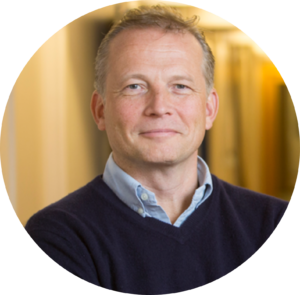
Professor Miikka Vikkula
Institut de Duve UCLouvain
BELGIUM
BIOGRAPHY
Professor Miikka Vikkula, MD, PhD, is an internationally recognized leader in human and medical genetics, with over 30 years of research at the interface of molecular genetics, vascular biology, and rare diseases. He trained in molecular genetics at the University of Helsinki (MD–PhD), completed postdoctoral research at Harvard Medical School, and later obtained a second PhD at UCLouvain. He established his independent research group at the de Duve Institute in Brussels in 1997, where he has been a Full Member and part of the Directorate since 2004, and has served as Full Professor of Human Genetics at UCLouvain since 2013.
Prof. Vikkula is a pioneer in defining the genetic and molecular basis of vascular and lymphatic anomalies. His work identified the causes of numerous inherited and sporadic vascular disorders, established key disease entities, and revealed central pathogenic pathways, notably PI3K–AKT–mTOR and RAS–MAPK signaling. A hallmark of his research is translation to therapy: his group developed disease models and led or contributed to multiple clinical trials, including the phase III VASE trial of sirolimus, as well as precision-medicine trials for arteriovenous malformations. He currently serves as Chair of the VASCA working group of VASCERN and Vice President of ISSVA.
He has published over 250 original research articles with more than 31,000 citations (H-index 89) and has received numerous prestigious awards, including the INBEV–Baillet Latour Clinical Research Prize, the Earl P. Benditt Award, the LE&RN Lifetime Achievement Award, and the EURORDIS Black Pearl Scientific Award. He is a member of the Royal Academy of Medicine of Belgium and was appointed Commander of the Order of Leopold by His Majesty King Philippe of Belgium.